


What Happens After an Ayahuasca Retreat
Begin Your JourneyWhat Happens After an Ayahuasca Retreat and How to Make Integration Work
There is a moment most people don't talk about.
The ceremonies are complete. The jungle (or the mountains, or the coastline) have held you. You've been cracked open, rearranged, shown things you didn't know how to ask for. And then you fly home.
You return to your apartment, your inbox, your relationships, and your routines. The container is gone. The facilitators are gone. The community of people who witnessed your process has scattered across time zones. And you're left holding something vast and tender...wondering what, exactly, you're supposed to do with it now.
This is the part Ayahuasca retreats rarely prepare you for. And it is, without question, the most important part.
Integration is not the afterthought. Integration is the work.
If you're interested to go back a few steps into what Ayahuasca actually is and our process, you may start at our Ayahuasca Guide.
What Does Ayahuasca Integration Actually Mean?
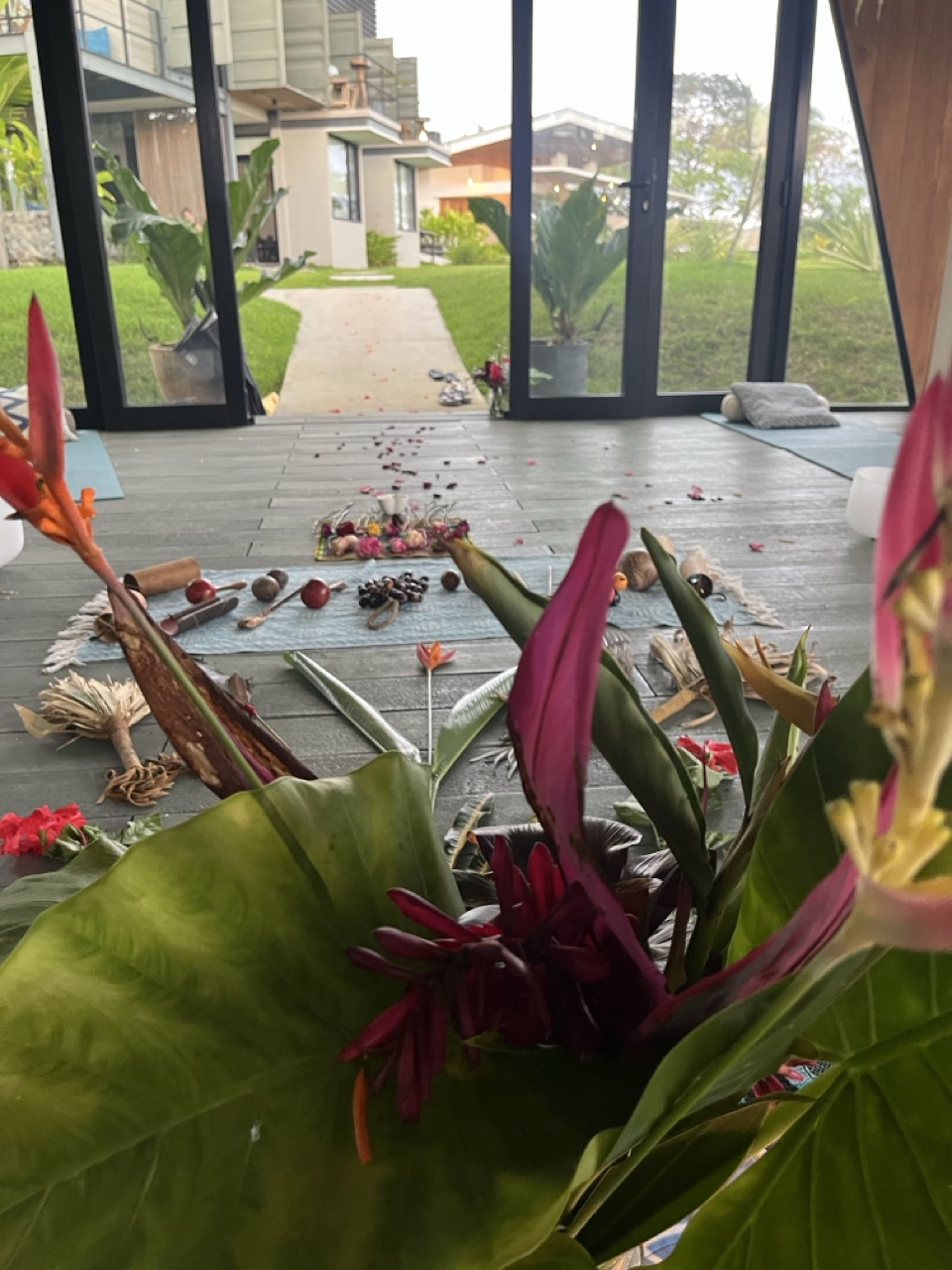
Integration is the process of bringing what you received in ceremony into your daily life as an actual shift in how you think, relate, feel, and act.
The medicine can reveal. It can illuminate patterns, surface buried grief, soften defenses that took decades to build, and show you a version of yourself you'd forgotten existed. But revelation and transformation are not the same thing.
What the ceremony opens, integration makes real.
A 2023 study published in MDPI, drawing on responses from 1,630 Ayahuasca drinkers across a global survey, found that participants described integration in three distinct ways: as an easy process, as a challenging journey, or as something still ongoing even years later. Most who found it challenging described that difficulty as part of growth, not failure. That reframe matters.
Integration is not a tidy handoff from the ceremonial world to the ordinary one. It is its own kind of medicine.
Why Is Integration So Difficult for Many People?
Because nothing in ordinary life is set up to receive you.
You return a slightly changed version of yourself and the people around you are the same. Your habits are the same. Your calendar is the same. The nervous system that spent years protecting you from exactly the kind of openness Ayahuasca created is still running in the background, waiting to reassert itself.
Research published in the journal Psychopharmacology in 2025 from the University of Haifa followed participants through a 4-day Ayahuasca retreat and found measurable improvements in positive affect and mindfulness skills in daily life post-retreat. But those changes don't happen automatically. They require the fertile ground of deliberate practice. Read more about the studies.
The challenge isn't that the medicine didn't work. The challenge is that life didn't slow down to let it land.
There is also something subtler at play. In the weeks and months after a retreat, it is common to experience:
- A glow period — elevated mood, a sense of clarity and openness
- A settling period — as insights begin to meet the friction of real life
- A testing period — where old patterns resurface, not to undo the medicine's work, but to show you where more attention is needed
All of these are normal. All of them are part of integration.
How Long Does Ayahuasca Integration Take?
There is no honest answer that fits everyone. And anyone who gives you a tidy number is probably not familiar with the depth of what the medicine can move.
For some people, a single retreat produces insights that take months to settle. For others, the waves of integration come in layers, something resolves, and then six months later, a second layer becomes visible. This is not regression. This is how deep work moves.
What we do know, from both research and from the experiences of the thousands of people who have walked this path before you, is that the quality of your integration period is closely tied to the support structures around it. Community, reflection practices, and integration-focused guidance all make a meaningful difference.
A retreat without integration support is like planting a seed and never watering it. Something was initiated. The potential is real. But without tending, the insight risks fading into something you once experienced, rather than something you live.
What Does Strong Post-Retreat Integration Look Like?
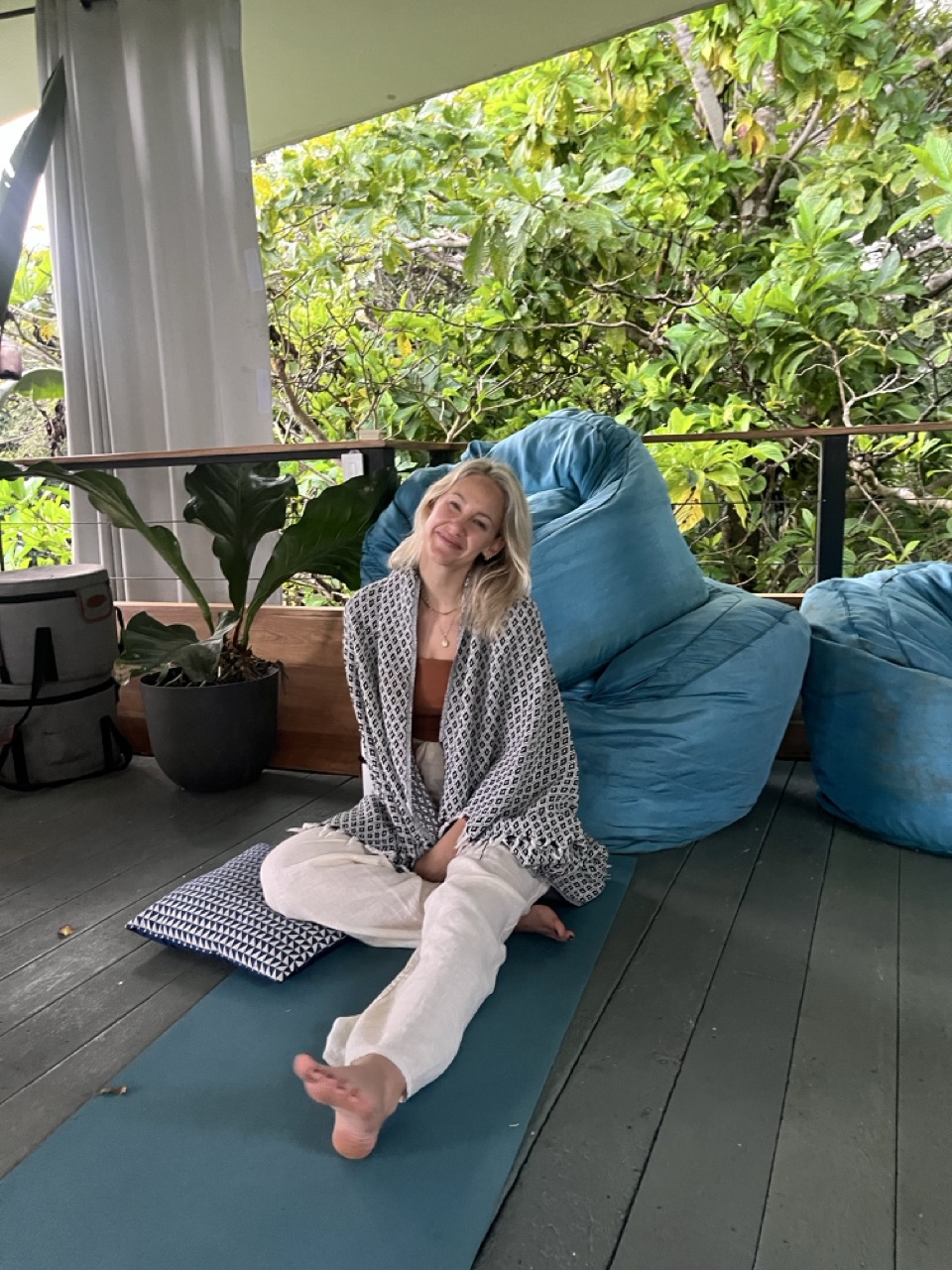
Integration is not a single practice. It is rather a decision to take seriously what the medicine offered you, and to let it reshape your life at whatever pace it needs.
That said, there are practices that consistently support the process:
Journaling and reflection. The days immediately after ceremony are often the richest for insight. Writing — without judgment, without narrative — allows what's still moving to surface before it settles. Keep a journal close. Write every morning. Don't try to make sense of it yet.
Slowing down before re-entering. If possible, build a buffer between your retreat and your return to full capacity. Even two or three quiet days before jumping back into work and social demands can make a significant difference in how grounded you feel going in.
Maintaining your dieta, even briefly. Many facilitators recommend extending the dietary and lifestyle restrictions of the pre-retreat dieta for at least three to seven days post-ceremony. Clean food, limited alcohol, reduced stimulation — this isn't punishment. It's respect for a system still processing.
Integration circles and community. Shared reflection with others who have worked with Ayahuasca is one of the most consistently reported supports across integration research. You don't have to carry the experience alone. The MDPI global survey found that community connection — whether formal circles or organic bonds formed during retreats — was among the most commonly cited integration resources.
Working with a professional. Integration coaching or therapy with a practitioner who understands psychedelic experiences can be enormously supportive, particularly if the ceremony surfaced trauma, significant grief, or complex emotional material. We only operate in areas where Ayahuasca is not scheduled as an illegal substance, and we recommend the same rigour when seeking integration support — find someone with genuine knowledge of the territory.
What Role Does the Retreat Provider Play in Your Integration?
This is worth asking before you book anything.
Not all retreat providers offer meaningful integration support. Some end their responsibility at the airport transfer. Others build it into the structure of the entire experience — before, during, and after.
At Behold Retreats, integration is woven into everything. Before you arrive, we work with you to clarify your intentions and prepare your system. During the retreat, our facilitators hold space not just for the ceremonies but for the processing that happens between them. And after you leave, we remain available — because we know that is when the real work begins.
If you're exploring an Ayahuasca retreat in Costa Rica, we invite you to ask hard questions of any provider you're considering. How do they handle the days after? What happens if something difficult surfaces at home, three weeks later? Who is available to you, and for how long?
The answers will tell you a great deal.
Frequently Asked Questions About Ayahuasca Integration
What is Ayahuasca integration and why does it matter?
Integration is the ongoing process of understanding and embodying what came up during an Ayahuasca ceremony. Without integration, even the most profound ceremonial insights can fade or remain disconnected from daily life. It is the bridge between what was revealed and how you actually live.
How long should I take off after an Ayahuasca retreat?
We recommend at least three to five days of low-stimulation recovery before returning to full professional and social engagement. Many people find that a week or more of gentle re-entry makes the integration period significantly more grounded. The more spacious you can make this window, the better.
Is it normal to feel worse after an Ayahuasca retreat?
Yes, and it doesn't mean something went wrong. It is common to experience emotional rawness, increased sensitivity, or a temporary destabilisation as deep material surfaces. This is often part of the healing process. The key is having support — whether through a facilitator, an integration coach, or a trusted community — so you are not navigating it alone.
What practices support Ayahuasca integration?
Daily journaling, meditation, gentle movement, reduced alcohol and stimulant intake, continued clean eating for at least one week post-retreat, and regular connection with others who have worked with plant medicine. Community and reflection are consistently the two most-cited supports across integration research.
Can I do another retreat if I feel like integration isn't complete?
This is worth sitting with carefully. A second retreat before genuine integration of the first can sometimes scatter rather than deepen the work. We always recommend working with a facilitator or integration coach to assess readiness honestly. The medicine will always be available. The question is whether you've given the first journey enough space to do its full work.
We Are Here, When You're Ready
The ceremony is one moment. Integration is a life.
Whatever you received in the dark — the visions, the grief, the clarity, the encounters with yourself you couldn't have planned — it was given to you for a reason. Integration is how you honor it.
If you're considering working with Ayahuasca and want to understand how we approach the full arc from preparation, to ceremony, and through to integration, we're here to talk. No pressure. No rush.
Reach out when you feel called. We will meet you there.
Sources
Sznitman, S.R. et al. "A prospective ecological momentary assessment study of an Ayahuasca retreat." Psychopharmacology, University of Haifa. Published January 2025.
Polito, V. & Stevenson, R.J. "Life after Ayahuasca: A Qualitative Analysis of the Psychedelic Integration Experiences of 1630 Ayahuasca Drinkers from a Global Survey." MDPI, 2023.

The content provided is for educational and informational purposes only and should not be a substitute for medical or other professional advice. Articles are based on personal opinions, research, and experiences of the author(s) and do not necessarily reflect the official policy or position of Behold Retreats.
Let's Evolve Together.
Learn more about consciousness, plant medicine, and spiritual transformation


.jpg)
.jpg)


